Elections
Bad officials are elected by good citizens who do not vote
George Jean Nathan
Elections
Bad officials are elected by good citizens who do not vote
George Jean Nathan
VOTING ENDS IN
Of registered voters make ALL the decisions.
WE NEED YOUR VOICE
2026 Kansas General Election Voter Guide
Roger Marshall
Eric Jenkins
Ty Masterson / Jeffrey Klemp
Pat Proctor
Kris Kobach
Steven Johnson
Daniel Hawkins
District 3: Jim McMullen
District 5: Courtney Sappington
District 8: Chris Croft
District 14: Charlotte Esau
District 15: Lauren Bohi
District 17: Jim Eschrich
District 18: Robert Whitman
District 19: Mark Hermes
District 24: Scott Speicher
District 26: Chip VanHouden
District 27: Sean E. Tarwater
District 28: Alex Bergman
District 30: Laura Williams
District 39: Angela Stiens
District 43: William (Bill) Sutton
District 49: Tricia Sinclair
District 78: Robyn R. Essex
District 117: Adam Turk
District 121: Thomas Palenske
Party affiliation is not listed on ballot.
Chair: Karen Crnkovich
District 1: Ben Hobert
District 5: Michael Ashcraft
District 4: Write-In Susan J Huff
“ONLY CITIZENS CAN VOTE” — VOTE: YES!
Johnson County Registered Voters
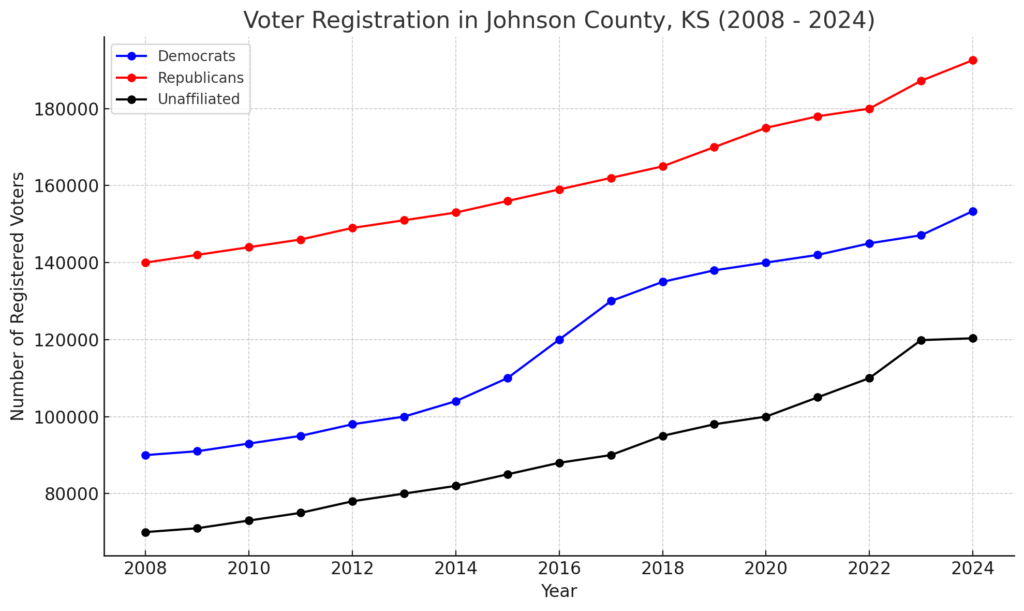
Republicans
Democrats
Unaffiliated
Join US
Get up to date information on our projects
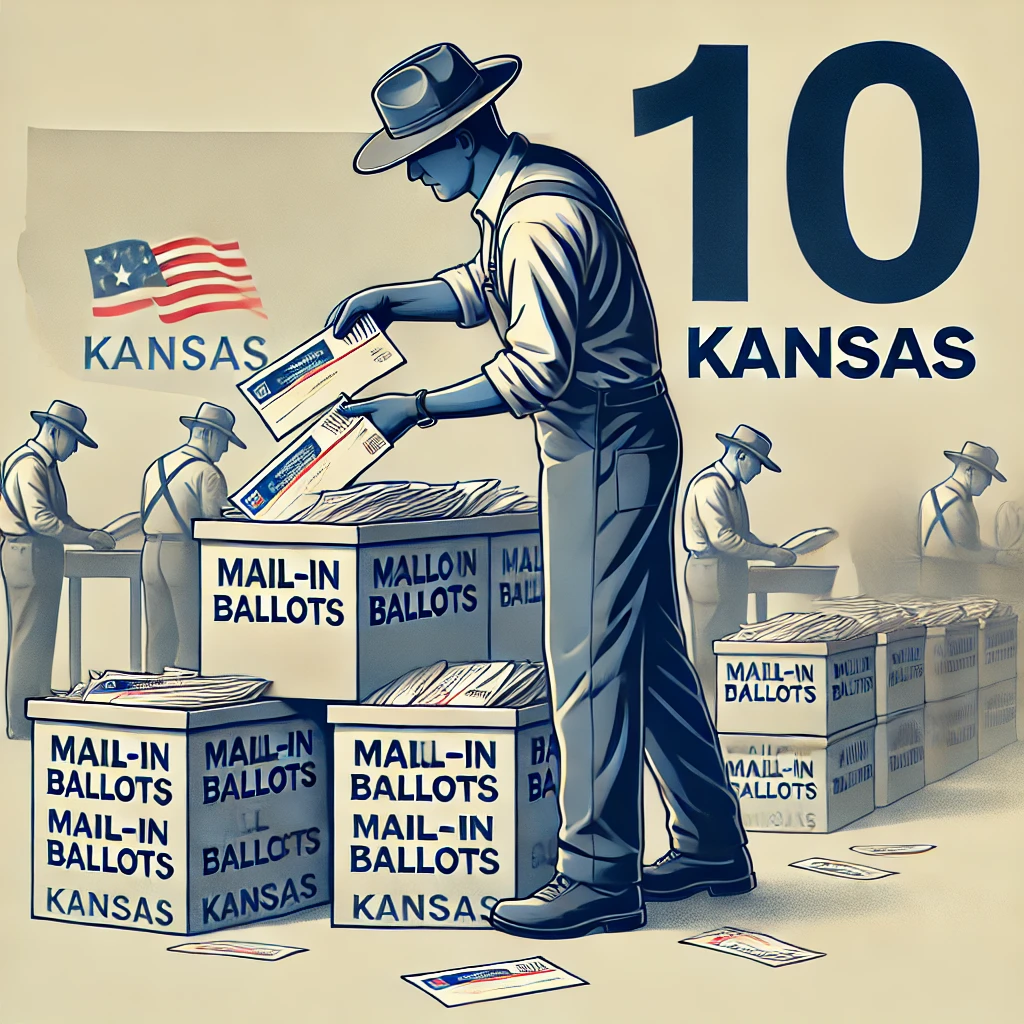
What is Ballot Harvesting
Ballot harvesting refers to the practice of collecting and submitting completed absentee or mail-in ballots on behalf of other voters.
While some argue that this process can help improve voter turnout by assisting those who may struggle to vote, such as the elderly or disabled, it also raises concerns about potential election fraud or ballot tampering.
In the State of Kansas, ballot harvesting is regulated, allowing a single person to collect and submit up to 10 ballots. This limit aims to balance convenience for voters with the need to maintain election integrity.
The Importance Of Voting
Voting is one of the most powerful actions an individual can take in a democracy. Each vote represents a voice, contributing to decisions that shape communities, policies, and the future of the nation.
While it might seem like one vote won’t make a difference, history has shown that elections can be decided by razor-thin margins. Every ballot cast reflects a citizen’s opinion on issues like healthcare, education, and economic development.
Voting ensures that the government remains accountable and that elected leaders represent the will of the people. In essence, individual votes collectively drive change, making participation critical to maintaining a healthy democracy.
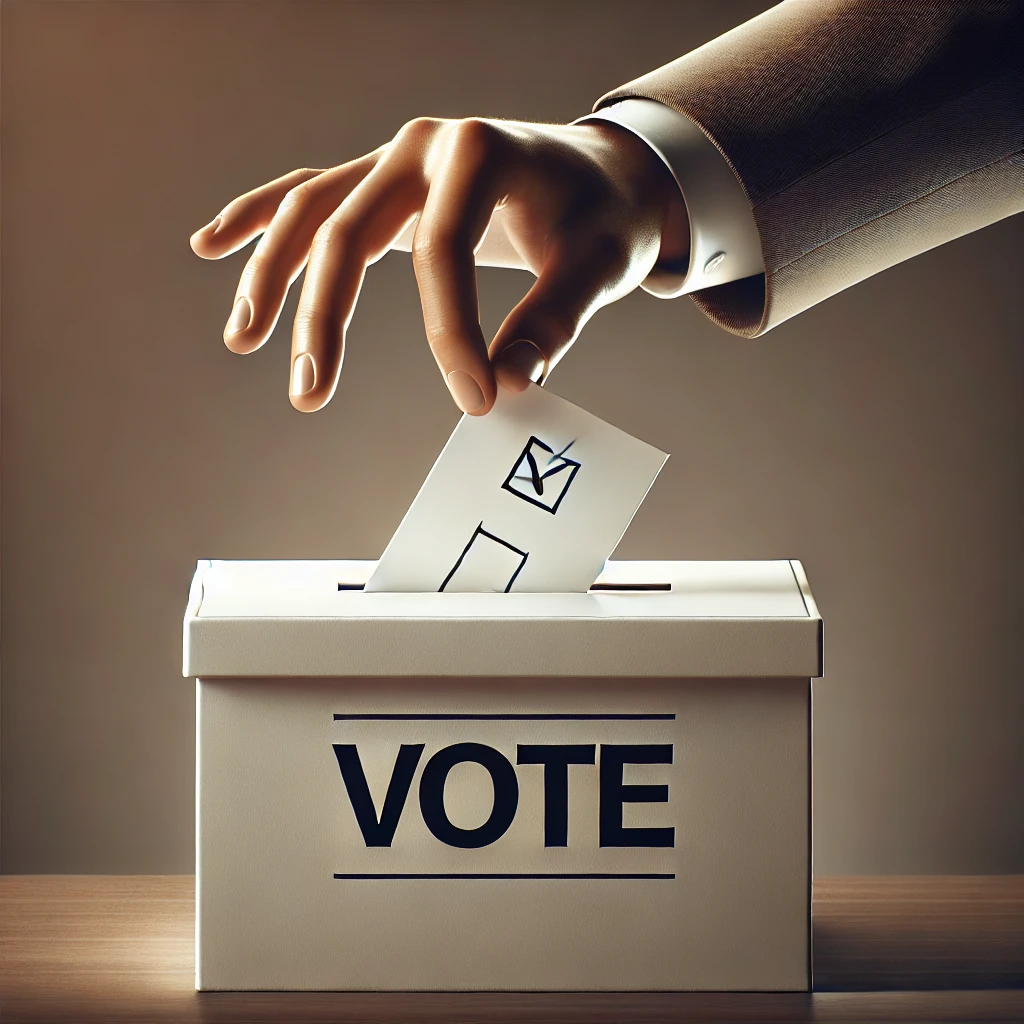
The Importance Of Voting Down Ballot
While many people focus on high-profile races at the top of the ballot, it’s the local elections further down the ballot that often have the most direct impact on everyday life.
Voting down-ballot is crucial because it influences decisions on property taxes, local infrastructure projects, school funding, and public safety measures. These elections determine the officials who set local tax rates, manage public services like police and fire departments, and make zoning decisions that affect the cost of housing and business development.
By voting in these elections, citizens take control of their community’s future, ensuring a better quality of life and greater alignment with their personal values.